Côte D'Ivoire
Côte d'Ivoire is a West African country bordered by Liberia and Guinea to the west, Mali and Burkina Faso to the north, Ghana to the east, and the Gulf of Guinea to the south. The capital is Yamoussoukro, though the economic capital and largest city is Abidjan. With a population of about 28-million, Côte d'Ivoire is one of the region's most populous nations. The economy is heavily reliant on agriculture, particularly cocoa production, of which the country is the world's largest exporter, alongside significant output of coffee, palm oil and cashews. Other key sectors include oil and gas extraction, mining (gold, manganese), manufacturing and services. The currency is the West African CFA franc, shared with seven other members of the West African Economic and Monetary Union. Côte d'Ivoire is a presidential republic and a member of the Economic Community of West African States and the African Union. Since independence from France in 1960, the country has experienced periods of political stability and growth, notably under Félix Houphouët-Boigny, as well as civil conflict in the early 2000s, from which it has since recovered with sustained economic expansion.
Côte D'Ivoire Updates
JNIM’s blockade tactics threaten West Africa’s trade corridors
By: ISS, Institute for Security Studies 4th June 2026 Recent terror attacks across Mali have intensified JNIM’s blockades of vital transport routes connecting port cities to Sahelian capitals. On 25... →
Informal land ownership a major issue globally, highlights World Bank
By: Rebecca Campbell 26th May 2026 Two-thirds of the world's assets are in land and buildings, highlighted World Bank global leader in land Mikka-Petteri Törhönen in a presentation... →

100-million African children are not in school. What’s driving the trend and how to reverse it
14th May 2026 Many countries across Africa have embraced universal basic education policies in recent decades. But recent data has revealed that more than... →
Niger-Benin: a narrow window for diplomatic reset
By: ISS, Institute for Security Studies 23rd April 2026 The political transition in Cotonou opens a window for regional de-escalation that the African Union should seize. Romuald Wadagni’s election as... →
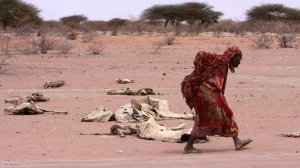
Heatwaves will be worst for rural parts of Africa – new model shows tens of millions face dangerous warming by 2100
26th March 2026 Ask people where heatwaves hit hardest and most will probably say cities, which trap heat in concrete and metal and generate warmth from traffic... →
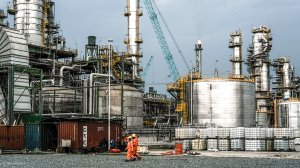
Middle East shock gives Nigeria's Dangote leverage as cheap imports dry up
By: Reuters 23rd March 2026 Nigeria's Dangote Petroleum Refinery has stepped up gasoline exports across Africa as disruptions to energy flows due to the Iran conflict squeeze... →
Will the AES Unified Force succeed where the G5 Sahel failed?
By: ISS, Institute for Security Studies 5th March 2026 For Mali, Burkina Faso and Niger’s new force to succeed, relations with neighbouring countries need to be rebuilt. The Alliance of Sahel States’... →

Turning wealth in ground into wealth for South Africa’s people is a must, says analyst 
By: Martin Creamer 26th February 2026 South Africa is at a pivotal juncture. It can choose to remain a supplier of raw commodities that enrich other countries or become a global leader... →
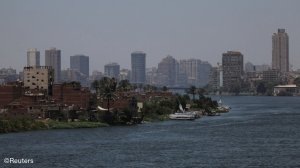
Africa faces $90bn debt wall in 2026, S&P says
By: Reuters 3rd February 2026 S&P Global Ratings has cautioned that African governments face rising debt risks as hard-currency repayment schedules in 2026 increase pressure on... →

African migration: focusing on Europe misses the point – most people move within the continent
30th January 2026 Images of rubber dinghies overcrowded with refugees heading for Europe and narratives about mistreatment and exploitation of migrants on unsafe... →
 |
 |
1 |
2 |  |
 |