





African ports are capturing only a fraction of shipping rerouted around the continent’s southern tip after the closure of the Strait of Hormuz, underscoring their limited ability to turn global trade disruptions into gains.
Since the chokepoint shut on February 28 due to the US-Israel war with Iran, vessels have rerouted around the Cape of Good Hope as an alternative to a corridor that normally carries about a quarter of the world’s seaborne oil along with large volumes of liquefied natural gas and fertilizers.
While the detour has driven traffic around southern Africa up as much as 90%, it hasn’t boosted visits at regional maritime hubs, according to Rhenus Logistics.
“The increase is driven primarily by Asia–Europe and Asia–Mediterranean container services, alongside crude oil, LNG and dry bulk trades,” said Ebenezer Simba, the company’s ocean product manager for Africa and the Middle East. But it “has not translated proportionally into African port calls,” he said.
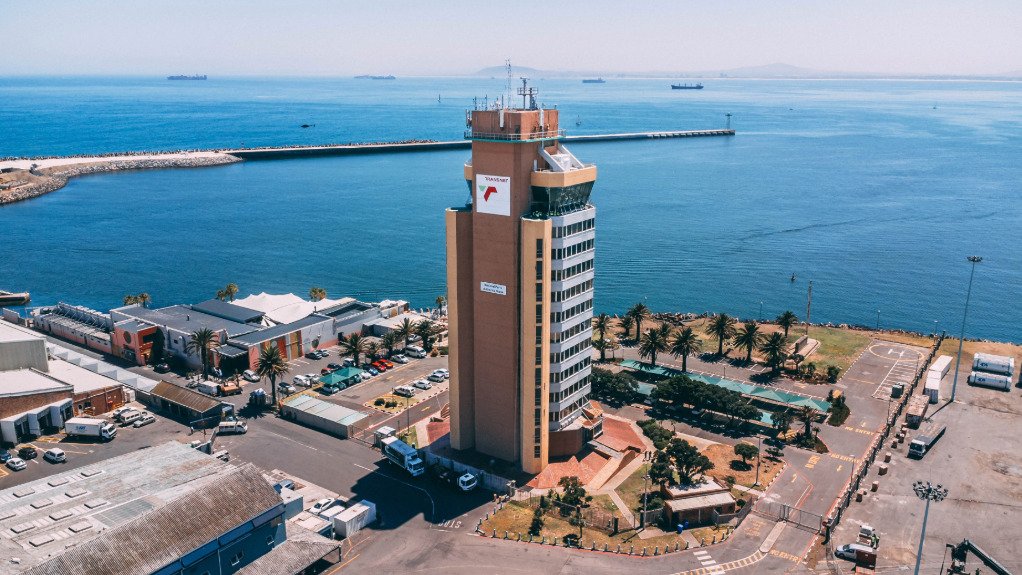
Operational constraints such as weather disruptions and congestion have limited competitiveness at major South African hubs including Durban and Cape Town.
The primary driver is that there “is limited commercial incentive for carriers to adjust port rotations” there, Simba said.
East African hubs dependent on Suez routing — such as Djibouti and Port Sudan — are also net losers due to limited capacity relative to other Gulf-surrounded ports such as Jeddah in Saudi Arabia, Sohar in Oman and harbours in South Asia, he added.
There are some regional winners.
Gains are concentrated in a handful of locations positioned to service vessels rather than handle cargo, Simba said. Harbors such as Port Louis in Mauritius as well as Lüderitz and Walvis Bay in Namibia — along with offshore refueling, or bunkering, zones in West Africa — are benefiting from a jump in demand as ships take on fuel for longer voyages.
TIME AND COSTS
Bunker calls at Port Louis surged 42% to 294 vessels in March from the previous month, while fuel volumes climbed nearly three-fifths to over 109 000 tons, the Mauritius Ports Authority said.
The reshaping of global trade lanes is adding time and cost to voyages. Rerouted trips between Asia, Europe and the Gulf can take as much as two weeks longer than standard transit times, said Vinny Licata, head of logistics and import compliance at Fictiv. Some carriers are also terminating trips outside the Persian Gulf to avoid the risks tied to the war.
For Africa, responsible for about 2% of global maritime exports and 5% of imports, the surge in shipping hasn’t translated into higher trade volumes.
“Africa has become a critical transit and servicing geography rather than a destination-port winner,” Simba said. Value capture is concentrated in “fuel supply and maritime services rather than container throughput,” he said.
The pattern echoes disruptions in late 2023 and early 2024, when attacks on Red Sea shipping forced vessels onto longer routes around Southern Africa but failed to deliver sustained gains for most of the continent’s ports.
Security risks are rising again just as some container lines had begun testing a return to the Red Sea-Suez route in late 2025 and early 2026. As soon as the “Gulf conflict erupted, they suspended those trials and plans in case the Houthis renewed their attacks,” said Darron Wadey, a senior shipping analyst at Dynamar.
Maritime piracy off Somalia’s coast is resurging, with at least three hijackings reported in the past week, according to UK Maritime Trade Operations. The uptick reflects broader instability linked first to Red Sea attacks and now to tensions around Hormuz.
For shipping lines, the Suez route is no longer viable, making the Cape route their default.
“Many are treating it as the new reality,” Licata said, a shift that is already encouraging investment in permanent bunkering infrastructure across parts of Africa.
EMAIL THIS ARTICLE SAVE THIS ARTICLE FEEDBACK
To subscribe email subscriptions@creamermedia.co.za or click here
To advertise email advertising@creamermedia.co.za or click here


