





Gauteng, the South African province that’s home to Johannesburg and the capital Pretoria, is struggling to grow and its shift from manufacturing and mining to a services hub is deepening inequality.
That’s according to the provincial government, which said urgent action is needed to arrest the decline. In a 153-page development plan presented on Thursday, it stressed the need to create new industries, boost employment and improve crumbling infrastructure.
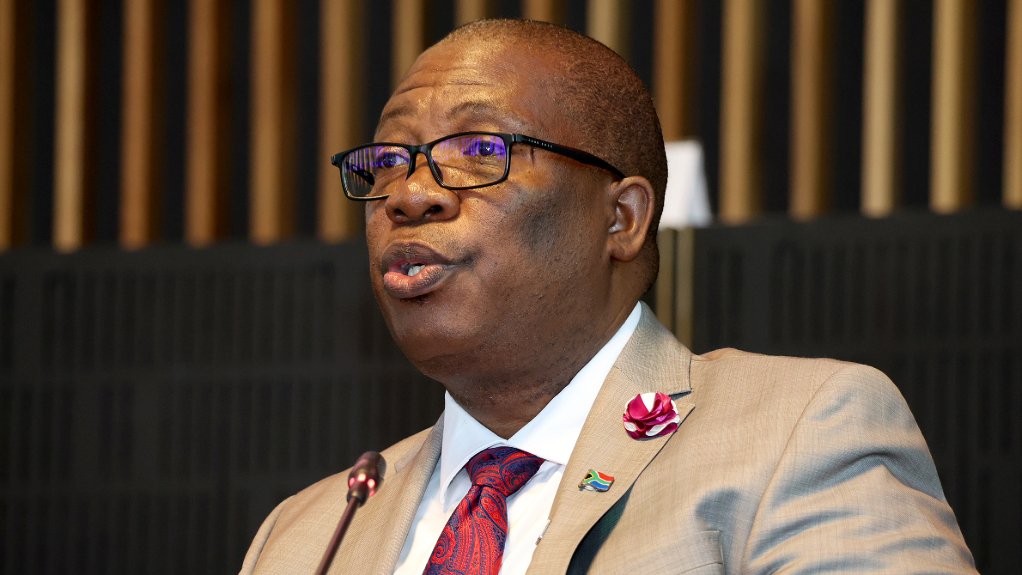
“If we can’t get Gauteng right, we can’t get South Africa right,” Gauteng Premier Panyaza Lesufi told an event in Johannesburg to launch the report.
Gauteng’s stagnation is at the heart of the struggle to boost growth in Africa’s most industrialised economy, which has languished for more than a decade. As mining and manufacturing have shrunk, new jobs in finance and other services have failed to stem unemployment from rising above 30%, one of the highest levels in the world.
Since 2010 in Gauteng only government activities, financial and other services have grown with the report highlighting that finance alone now accounts for 40% of Johannesburg’s economy, clustered in the affluent northern suburb of Sandton, well away from the decayed city center.
Even as the population expanded, manufacturing shed almost 200 000 jobs, shrinking the workforce to 528 000. At the same time, people employed in financial services rose to more than 1.2-million from 776 000.
Finance Curse
“Gauteng, despite its role as South Africa’s economic core and contributor of over one-third of national gross domestic product, is trapped in a cycle of stagnant growth, rampant unemployment, and deepening inequality,” the report said. It noted that high-skilled bank jobs are a poor match for the region’s large pool of predominantly low or semi-skilled workers.
As a result, Lesufi’s African National Congress (ANC) risks losing ground to the Democratic Alliance (DA), South Africa’s second-largest political party, in local elections expected to be held later this year. Senior DA figure Helen Zille is running to be mayor of Johannesburg and is campaigning on the ANC’s track record in the city.
The ANC lost its parliamentary majority in 2024 elections and now governs in an uneasy coalition with the DA at the national level.
Gauteng’s unemployment at 34.4% — above the national average — and youth unemployment of 54% is “a profound crisis of exclusion and wasted potential,” the report said.
While joblessness is a national problem, the DA-governed Western Cape, Gauteng’s closest provincial economic rival, has slashed unemployment to about 19% by encouraging the growth of industries such as tourism and call centers for international clients.
Gauteng’s plan aims to secure R800-billion in investment pledges by 2028 to address the problems caused by the “bifurcating economy.” It urges investment in infrastructure and sectors ranging from cannabis to the automotive, pharmaceutical and defence industries through the use of incentives and cutting red tape.
Still, the report comes to a sobering conclusion.
“A decade of subdued growth, infrastructure deterioration, and chronically high unemployment — exacerbated by global shocks and domestic energy crises — has trapped the province in a cycle of exclusion and underperformance,” it said.
EMAIL THIS ARTICLE SAVE THIS ARTICLE FEEDBACK
To subscribe email subscriptions@creamermedia.co.za or click here
To advertise email advertising@creamermedia.co.za or click here


