





South African food and non-alcoholic beverage (NAB) inflation (hereafter to be referred to simply as food inflation, for short) rose in both year-on-year and month-on-month terms in August, the Bureau for Food and Agricultural Policy (BFAP) has reported, in its latest Food Inflation Brief. In year-on-year terms, food inflation in August was up 1.1% (as against a 0.9% increase in July), while the month-on-month figure was 0.1% (compared with -0.2% deflation in July).
However, year-on-year Consumer Price Index (CPI) headline inflation in August was 4.4% (up from 4.3% in July). Month-on-month CPI headline inflation in August was 0%, which was a decrease over the July figure of 0.2%.
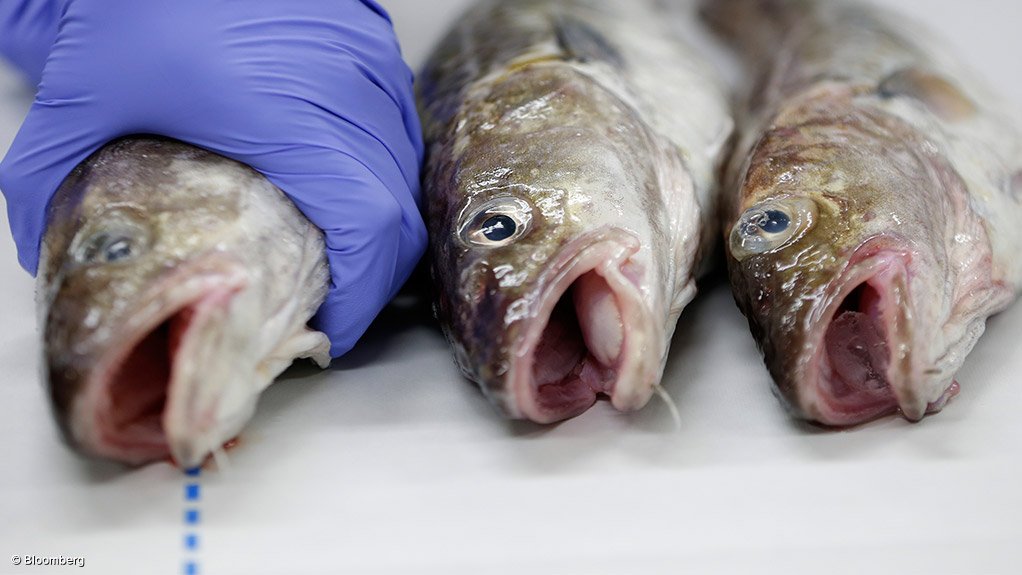
The food categories which saw the highest year-on-year inflation in August were fish and seafood, at 7.5%, NAB (4.9%), oils and fats (2.6%), dairy and eggs (2.1%), sugar and sugar-rich foods (2%) and meat (1.5%). Those categories which experienced deflation were vegetables (-0.6%), cereal products (-1.9%), and fruits and nuts (-5.5%).
As for month-on-month inflation in August, the highest rates were recorded for fruit and nuts (2.7%), fish and seafood (1.1%), meat (0.4%), NAB (also 0.4%), oils and fats (0.3%), and dairy and eggs (0.2%). No food categories saw month-on-month deflation.
“Year-on-year inflation on popular items in the food basket of lower-income households (such as tomatoes, onions, bananas, canned pilchards, tea, polony and cooking oil) could reduce the ability of these households to achieve adequate energy intake as well as nutritional diversity,” pointed out the BFAP. “However, year-on-year price deflation on main starchy staples such as maize meal and rice could provide relief in household budgets, while year-on-year deflation on protein-rich foods such as beef and legumes could improve economic access to protein-rich foods.”
The cost of the BFAP’s Thrifty Healthy Food Basket (THFB) came to R3 935 in August. This was a 0.94%, or R7, increase, in year-on-year terms, but a -0.8%, or -R30, decrease, month-on-month. The THFB provides a nutritionally balanced adequate energy diet, composed of 26 food items from all food categories, for a reference family of two adults and two children, for a month. Of the items within the THFB, most vegetables, bananas, canned pilchards and oil saw year-on-year price increases, but the prices of maize meal, rice, potatoes, cabbage, eggs, apples and beef went down. Assuming the reference family earned two minimum wages and two child support grants, the THFB would have cost them 30% of their total household income in August. This was pretty much the same as the 30.4% that was the average for the least affluent 50% of South African households.
The BFAP has also created an Adequate Energy Basket (AEB), designed to provide enough energy for the daily survival of the same reference household. This, however, lacks adequate dietary diversity. In August, the AEB cost R1 155, less than 33% of the cost of the THFB.
“Food commodity price movements are expected to remain relatively moderate in the coming months. Meat prices are likely to continue trending lower as vaccination efforts against animal diseases, particularly [Foot-and-Mouth Disease] and bird flu, progress, and slaughter activity gains further month-on-month momentum,” concludes the BFAP. “However, several upside risks to the food inflation outlook remain in the medium-term. The recent decision by the Reserve Bank to increase the repo rate by 25 basis points will raise borrowing costs, adding to pressure from higher production inputs, particularly fuel and fertiliser, should geopolitical tensions in the Middle East persist. At the same time, the anticipated (super) El Niño weather cycle could affect yields, resulting in lower summer crop production heading into 2027, potentially placing upward pressure on food prices over the medium term. Nevertheless, large carry-over stocks accumulated following the previous two bumper production seasons should provide some buffer against these potential price pressures.”
EMAIL THIS ARTICLE SAVE THIS ARTICLE ARTICLE ENQUIRY FEEDBACK
To subscribe email subscriptions@creamermedia.co.za or click here
To advertise email advertising@creamermedia.co.za or click here


