





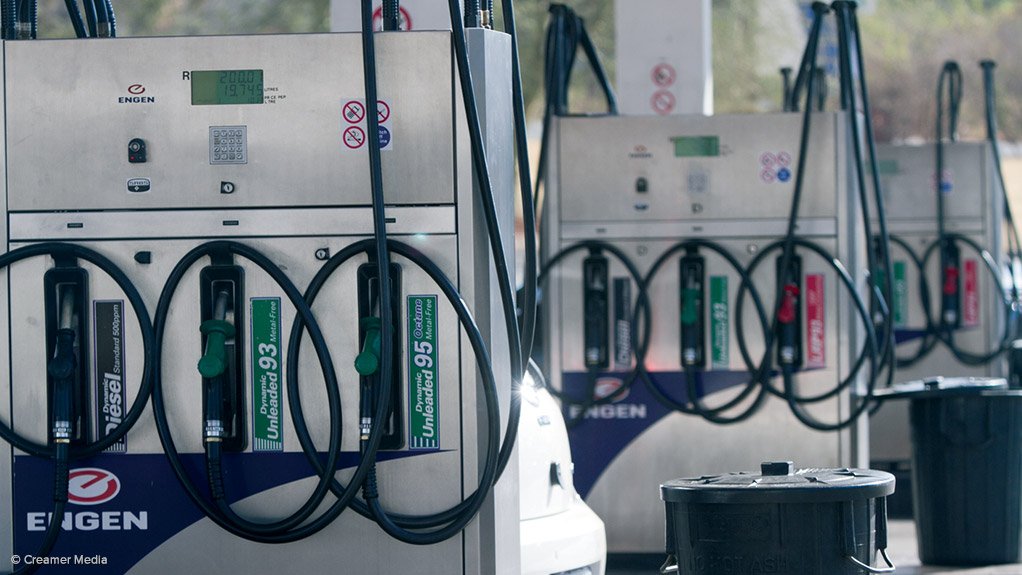
The prices of petrol 93 and 95 (ULP and LRP) are both set to increase by R1.43 a litre, effective June 3, while diesel prices are set to decrease by R3.25 a litre (0.05% sulphur) and R2.62 a litre (0.005% sulphur).
The fuel price adjustments are attributed to several reasons, including the increase in the average Brent crude oil price to $104.59/bl during the period under review, from $101/bl, owing to the continued tension between the US and Iran and the closure of the Strait of Hormuz.
Also, the average international product prices decreased during the period under review. The prices of middle distillates (diesel and paraffin) decreased more than petrol prices because of lower seasonal demand as the northern hemisphere moves into summer.
Further, the rand appreciated, on average, against the dollar compared with the previous period, leading to slightly lower contributions to the basic fuel prices of petrol and diesel.
Moreover, the cumulative slate amounted to a negative balance of R18.28-billion for petrol and diesel at the end of April.
In line with the provisions of the Self-Adjusting Slate Levy Mechanism, the slate levy of R1.58 a litre will be implemented in the price structures of petrol and diesel with effect from June 3.
The slate levy has increased by 35.04c/ℓ.
In addition, in line with the earlier announcement by Finance Minister Enoch Godongwana, the amount of the general fuel levy relief has been reduced by R1.50/ℓ for petrol and R1.96/ℓ for diesel, effective from June 3 to 30.
The fuel price adjustments, based on current local and international factors, comes a few days post the Convenience Leaders’ Exchange held in Sandton last week, hosted by the Fuel Retailers’ Association in partnership with the international National Association of Convenience Stores, attended by stakeholders from the fuel and retail convenience sectors.
Fuel Retailers Association CEO Reggie Sibiya emphasises the importance of the fuel retail industry standing together, consolidating and planning the way forward.
“With fuel prices under strain due to the global energy crisis, with local margins reducing as fuel prices skyrocket, coupled with illegal trading, statutory levies, Road Accident Fund contributions and high credit card or reward costs, the challenges become those of sustainability and profitability for the fuel retailer.”
The association represent over half of the 4 600 fuel retailers in South Africa.
EMAIL THIS ARTICLE SAVE THIS ARTICLE ARTICLE ENQUIRY FEEDBACK
To subscribe email subscriptions@creamermedia.co.za or click here
To advertise email advertising@creamermedia.co.za or click here


