





Across Sudan, farmers who have struggled to harvest their crops since a civil war flared in 2023 are now battling a new enemy that could plunge the nation back into famine: the weather.
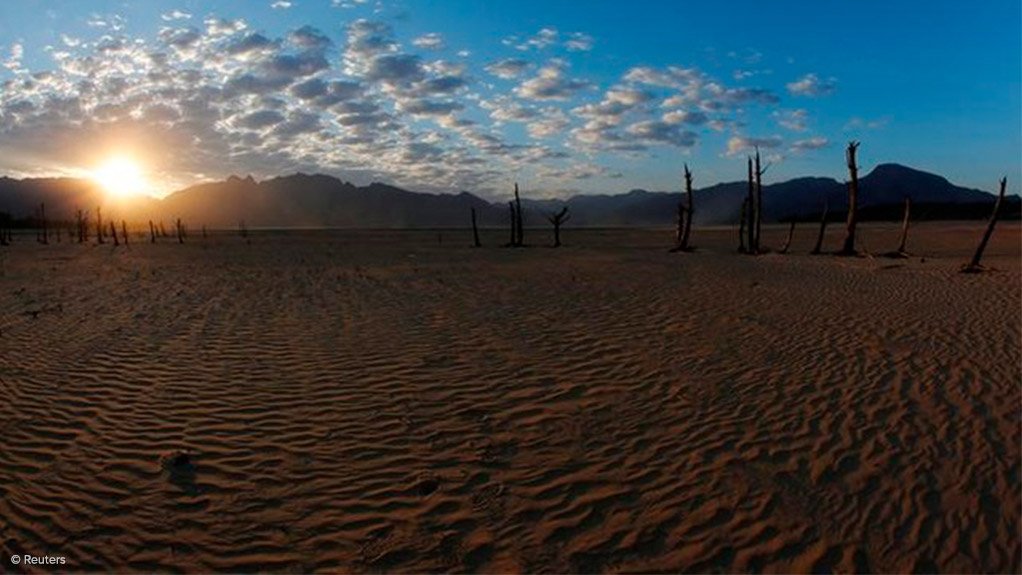
El Niño, the climate pattern threatening parts of Africa with floods, is bringing higher temperatures and drought to Sudan, where pockets of famine have already emerged during more than three years of conflict, mainly in areas under siege.
Parched conditions are hurting crops and livestock across the southern region where rain-fed agriculture produces much of Sudan's food, according to UN officials and aid experts, along with more than two dozen farmers interviewed by Reuters. One large-scale farmer expects his harvest to be a quarter of last year's.
"The risk of famine is growing in many conflict-affected areas of Sudan, with the impact of El Niño-induced drought compounding already dire conditions," the United Nations-backed global hunger monitor, the IPC, wrote in an October 12 alert.
Rainfall in July to September, the peak rainy season, was the lowest in more than three decades across the country, United States Geological Survey (USGS) data shows. In North Darfur state in the west, it was the lowest since 1984 - the same year a famine devastated Sudan and Ethiopia. In North Kordofan state in the central region, it was the lowest since 1990, while in Gedaref state in the southeast it was the lowest since 1991.
In June, the IPC said 5.1-million people in Sudan faced severe hunger. The IPC is currently updating the numbers. They had been expected to fall once harvesting started in November and December, helped by a lull in fighting in some areas. But the El Niño-driven drought is now expected to push them up.
The UN World Food Programme forecasts an additional 350 000 people will experience severe hunger by the end of 2026, rising to 1.2-million more by August 2027, the WFP head of programme for Sudan, Samuel Clendon, told Reuters in October, citing figures shared with donors but not publicised widely.
The worst-hit areas are Darfur and the Kordofan region, the WFP said.
'THE CATTLE BECAME SKINNY'
In North Kordofan state, Mariam Omar digs out weeds poking up between crops that should be close to harvest but instead are shrivelled in the dry, sandy soil. "This year is terrible," she said on her smallholding near the town of Um Ruwaba.
Mohamed Abdelrahman, a farmer with about 420 hectares in the Um Rawaba area, told Reuters many farmers displaced by war were returning to drought-stricken land. Abdelrahman, who is also a sesame trader providing finance to smallholders, estimated about 40% of land in the area would have no harvest.
In the livestock market of El Obeid, North Kordofan's capital, the ribs of cows protrude through their dusty hides.
"Usually at this time the cattle are fat and everyone is making a profit. But now, with this autumn's scarcity, the cattle became skinny," trader Sirajaldeen Abdellateef said, as he counted Sudanese pounds which have been rapidly losing value, stoking inflation and causing further hardship.
The WFP has focused on delivering food to the 5-million most needy people, but it says it cannot reach all of them. For those it can reach, it has cut rations to stretch limited resources.
As of October 17, the WFP had $276-million to fund its Sudan operation, less than half of last year's budget. It says it needs an extra $134-million to tackle hunger caused by drought.
The decline of both aid and harvests at once is a “recipe for disaster,” Carl Skau, acting executive director of the WFP, told Reuters in Cairo after a trip to Darfur, where he said he had seen the impact of drought.
'IT'S NO LONGER JUST ABOUT BULLETS'
Rations had been halved in Tawila, a sprawling Darfur camp of about 700 000 people displaced by war, according to Skau, even as aid workers said 9 000 more people had arrived between the start of September and mid-October.
Suad Ahmed, a teacher who said she had been displaced from her home multiple times through the war, came to Tawila seeking food after leaving her village east of al-Fashir, the capital of North Darfur state.
"As I was coming here on the road, so many people said: ‘If you find food and drink there, please tell us’," she said.
Adam Rojal, spokesperson for the non-governmental group, the General Coordination of IDPs and Refugee Camps in Sudan, said hunger rather than war was now driving people from their homes. "It's no longer just about bullets," he said.
Gedaref state has been crucial to Sudan’s food supply during the war because it escaped the fighting. But it hasn’t escaped the drought.
"Even if we get rain going forward, I'll only have about 25% of last year's crop," said Emad Kabsoor, who runs several large farms covering 14 700 hectares, adding that searing temperatures were also scorching fields.
"We’ve never had a season like this," he said.
Temperatures in Gedaref ranged between 7 and 9 degrees above the historic average for October 20, the Reuters Climate Monitor showed.
Sudan's government has played down the threat to food supplies. Sudanese Agriculture Minister Esmat Qureshi told a news conference on October 8 in Khartoum that this year's harvest would be lower but "not significantly less than last year's."
'WE DON’T KNOW HOW IT WILL END'
When asked about the drought, the head of the RSF's humanitarian aid authority, Abdelrahman Ismail, told Reuters: "We have made efforts to coordinate and invite an early response, and we believe we can do more if the necessary resources and capacity are provided."
Humanitarian agencies have repeatedly accused government troops and rival Rapid Support Forces (RSF) of blocking or hindering aid during the conflict, which both sides deny.
The IPC declared pockets of famine in Sudan in 2024 and 2025, including in al-Fashir, where government forces and their allies, as well as up to a quarter of a million people, were under siege by the RSF for a year and a half before the city fell.
The drought means there’s little respite for a nation with a history of humanitarian crises, including the 1984 famine that killed hundreds of thousands of people across the region.
"The situation today is in most respects much, much worse because of the conflict," said famine expert Alex De Waal, adding that in the 1980s the world mobilised aid resources, while international aid budgets have now been cut back.
Back in 1984, harvests failed, livestock died and people were forced to migrate, said Sirajaldin al-Tahir, a farmer in Um Ruwaba. "But God took pity on us, and the US government brought in aid and distributed it to our village," he said.
"This year, 2026, we don’t know how it will end."
EMAIL THIS ARTICLE SAVE THIS ARTICLE FEEDBACK
To subscribe email subscriptions@creamermedia.co.za or click here
To advertise email advertising@creamermedia.co.za or click here


