





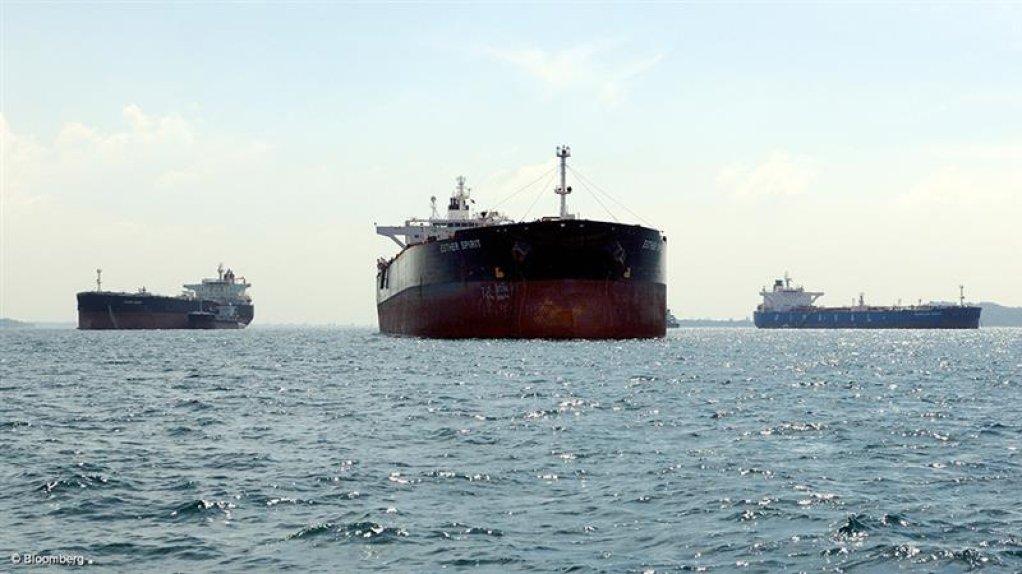
The heads of the International Energy Agency (IEA), International Monetary Fund (IMF), and World Bank Group have jointly warned that fuel and fertiliser prices may remain high for a prolonged period even if regular shipping flows resume through the Strait of Hormuz.
In a statement after a meeting of the coordination group the three entities established in early April to maximise their response to the energy and economic impacts of the war in the Middle East, they indicated that the negative effects could linger given the damage to infrastructure as a result of the conflict.
“As we noted earlier this month, the impact of the war is substantial, global, and highly asymmetric, disproportionately affecting energy importers, in particular low-income countries.
“The shock has led to higher oil, gas and fertiliser prices, triggering concerns about food security and job losses as well.
“Some oil and gas producers in the Middle East have also seen a dramatic loss of export revenue,” the statement reads.
In an earlier analysis, Wood Mackenzie indicated that 11-million bbl/d of upstream production was currently shut-in across the Middle East and could only be restored once export logistics normalised.
The analysis indicated that, even unconstrained, it would take countries such as Iraq between six and nine months to reach prior production levels, owing to the complexities of both reservoir management and resource constraints.
Wood Mackenzie also suggested that if QatarEnergy began restarting Ras Laffan liquefied natural gas production at the start of May, it could take until the end of August for the 12 trains to return to full service.
Meanwhile, the IMF, the World Bank and the IEA stressed that the situation remained uncertain, while noting that shipping through the Strait of Hormuz was yet to normalise.
“Even after a resumption of regular shipping flows through the Strait, it will take time for global supplies of key commodities to move back towards their pre-conflict levels—and fuel and fertiliser prices may remain high for a prolonged period given the damage to infrastructure.
“Due to supply disruptions, shortages of key inputs are likely to have implications for energy, food, and other industries.
The war has also forcibly displaced people, impacted jobs, and reduced travel and tourism, which may take time to reverse,” they added.
The institutions indicated that they had also discussed the situations of the countries most affected by the shock as well as their responses.
“Our teams are working closely, including at country level, to leverage our respective expertise and help countries through tailored policy advice and, in the case of the IMF and World Bank, financial support where needed.”
EMAIL THIS ARTICLE SAVE THIS ARTICLE ARTICLE ENQUIRY FEEDBACK
To subscribe email subscriptions@creamermedia.co.za or click here
To advertise email advertising@creamermedia.co.za or click here


