





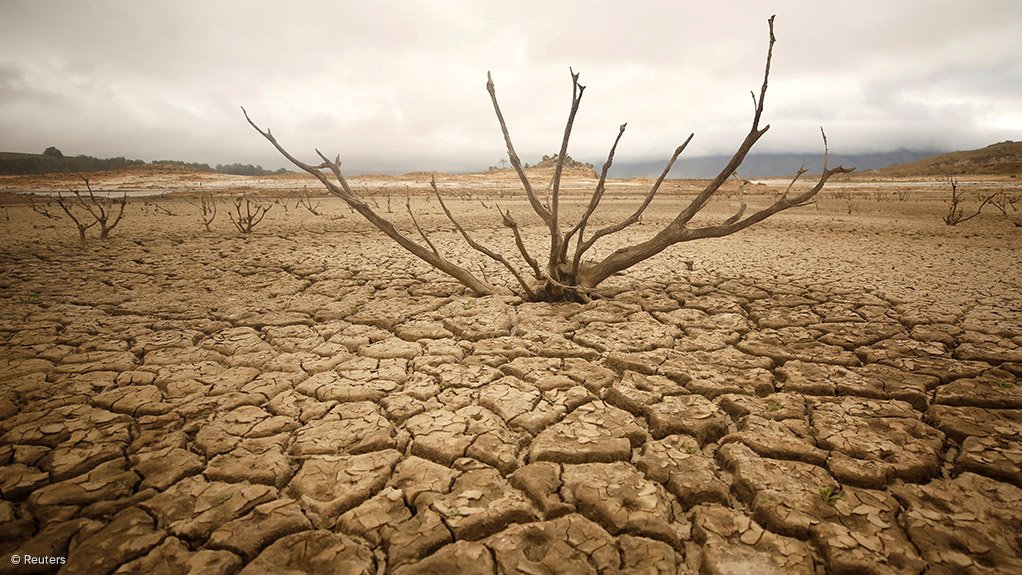
Across the countries of the Southern African Development Community (SADC), extreme heat is rapidly increasing and becoming the most urgent climate and health risk across the region. This is the conclusion of a new consensus study, just released by the Academy of Science of South Africa (ASSAf), and entitled 'Climate Change and Extreme Heat: Strengthening Resilience and Adaptive Capacity in the Southern African Development Community'.
“Extreme heat is no longer a distant projection; it is already reshaping the lived realities of millions of people across Southern Africa,” stressed study-leading Expert Panel chairperson Professor Jerome Amir Singh. “This report highlights the urgency of strengthening heat-health preparedness and provides clear, evidence-based pathways for governments and communities to respond.”
The evidence has shown that global warming has sharply accelerated over the past decade-and-a-half. Of the world’s 20 hottest recorded years, 19 have been since 2000. Temperatures that break monthly records are now happening five times more often.
Extreme heat is what is called an “integrator hazard”. That meant it is a hazard across many sectors and activities, creating or exacerbating multiple vulnerabilities. It deepens droughts, increases the risk of wildfires and air pollution, while putting more pressure on energy, health and water systems.
Talking just health: studies have shown that certain populations face especially acute risks from extreme heat. Infants and young children are particularly vulnerable because of their limited capacity to thermoregulate. Older adults had the highest rates of heat-related mortality. And emerging research showed that extreme heat during pregnancy increased the chances of preterm birth, low birth weight, maternal complications and stillbirth. More generally, extreme heat increases the risk of heat exhaustion, heatstroke, kidney damage, and cardiovascular disease. An inevitable consequence is increased pressure on health systems.
Across SADC, the nature of the labour markets increases people’s exposure to heat and so to risk. The largest employer in many SADC countries remains agriculture, with other major employers being construction, mining and transport, plus the informal sector. In some SADC countries, as many as 80% to 90% of workers are in the informal sector. In all these cases, the workers undertake outdoor and/or manual labour.
“The report urges proactive steps: bolster early warning systems, embed heat-health action plans into national climate strategies, protect workers from occupational heat exposure, enhance urban design and cooling infrastructure, and expand public-health preparedness,” highlights ASSAf. The study was undertaken by researchers from Botswana, Eswatini, Lesotho, Malawi, Mauritius and Zimbabwe as well as South Africa.
EMAIL THIS ARTICLE SAVE THIS ARTICLE ARTICLE ENQUIRY FEEDBACK
To subscribe email subscriptions@creamermedia.co.za or click here
To advertise email advertising@creamermedia.co.za or click here


