





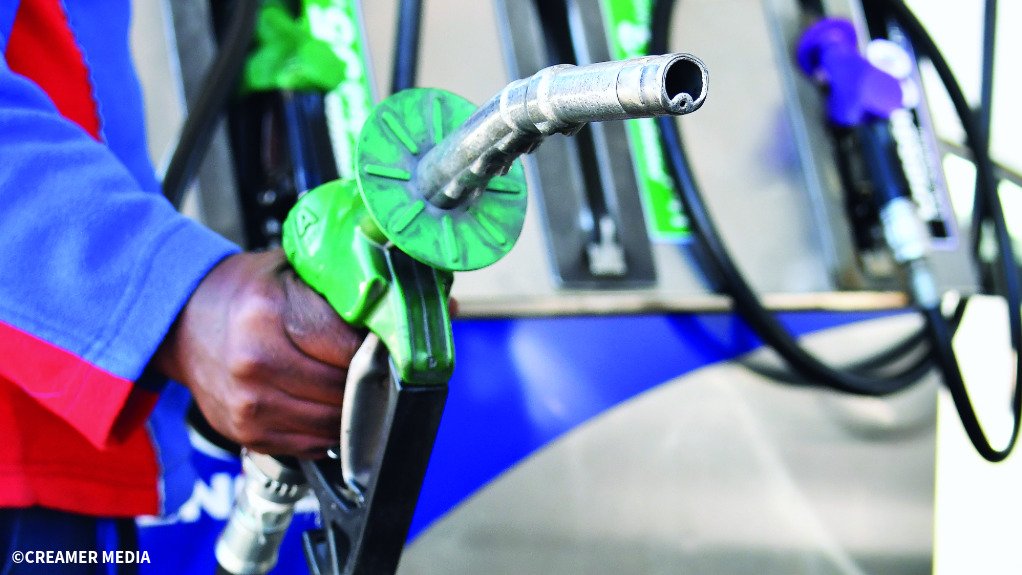
President Cyril Ramaphosa has established a Ministerial Task Team to coordinate government’s response to the impact on the cost of living, fuel and food security because of the disruptions to shipping in the Strait of Hormuz that have followed the military attacks on Iran by the US and Israel.
The task team is being chaired by Mineral and Petroleum Resources Minister Gwede Mantashe, and includes Finance Minister Enoch Godongwana, Transport Minister Barbara Creecy, Trade, Industry and Competition Minister Parks Tau, International Relations and Cooperation Minister Ronald Lamola, Agriculture Minister John Steenhuisen, Electricity and Energy Minister Dr Kgosientsho Ramokgopa, Forestry, Fisheries and Environment Minister Willie Aucamp and Minister in the Presidency Khumbudzo Ntshavheni.
As an immediate intervention, the task team recommended the R3/l reduction in the fuel levy for the period from April 1 to May 5, which reduced the level of the hikes that would otherwise have been implemented on both petrol and diesel for the period.
In a statement released following the most recent meeting of the Cabinet, an assurance was given that fuel supplies in the country remained stable despite ongoing reports of shortages in some areas.
In a post-Cabinet briefing, Minister Ntshavheni argued that the disruptions were because of “logistics constraints due to panic buying and fuel hoarding” rather than shortages of fuel.
“Cabinet is kept abreast on the security of domestic fuel supply which is affected by the ongoing war, and it was assured that South Africa’s fuel system remains supply-adequate in the immediate period.
“Cabinet was informed that South Africa only relies on the Middle East supply for refined products,” Ntshavheni said.
She said that one of the considerations, in the medium- to long-term, would be to assess rebuilding of the country’s crude refineries, given that its main crude oil sources currently are Nigeria and Angola, which were not affected by the shipping disruptions.
More immediately, the focus was on the cost-of-living impacts, as well as on food security, owing to the impact that the conflict was having on fertiliser supply and prices.
EMAIL THIS ARTICLE SAVE THIS ARTICLE ARTICLE ENQUIRY FEEDBACK
To subscribe email subscriptions@creamermedia.co.za or click here
To advertise email advertising@creamermedia.co.za or click here


