





The national Department of Agriculture (DoA) has issued an advisory on the looming 2026/27 El Niño climate event. This followed the latest Seasonal Climate Watch issued by the South African Weather Service (SAWS), which confirmed that the El Niño was occurring and would continue throughout the upcoming summer season.
“El Niño is a natural climate pattern that results in a shift in global atmospheric circulation,” explained the DoA. “In South Africa, the typical impacts of El Niño are lower-than-normal rainfall during summer coupled with high temperatures.”
The SAWS, in its Climate Watch, also reported that many parts of the country were already experiencing below-normal rainfall, as a result of the developing El Niño phenomenon. While the country’s summer rainfall areas experienced typical conditions during the winter, the winter rainfall areas saw below-normal rainfall.
Not only did an El Niño bring dry conditions; it also brought high temperatures. These conditions affected both crop and livestock farmers, as they could cause both crop failures and livestock deaths. Irrigation farmers could be affected by water restrictions. Further, these conditions facilitated the spread of pests and diseases.
The department encouraged farmers to implement risk reduction measures.
For crop farmers, this involved using climate smart agriculture methods, to ensure the conservation of soil moisture. They should also use implements that were aligned with the principles of Conservation Agriculture, that would also conserve soil moisture and ensure minimal soil erosion. They should not unnecessarily expand the land under production and should prioritise cultivars that would withstand hot and dry conditions. Such cultivars were listed in the National Varietal List. They should also remain within the planting window.
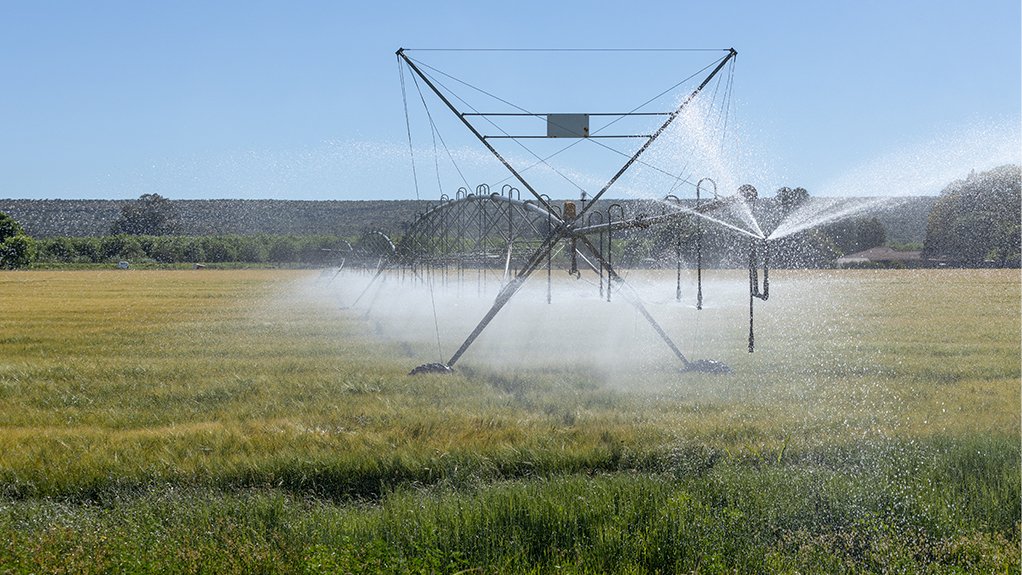
Farmers who used irrigation were urged to use the best irrigation methods, such as drip irrigation, and to employ water harvesting methods. They should irrigate in the morning or evening, to conserve water. They should also comply with any water restrictions in their areas.
The department urged livestock farmers to keep their livestock herds in a state of balance with the carrying capacity of the veld and the amount of grazing available. Overstocking would lead to overgrazing, which would result in livestock deaths. Farmers should undertake rotational grazing and increase the number of watering and feed points.
Farmers also had to be alert to the threat posed by pests and diseases that thrived in hot and dry conditions. They should continually check for them and, if necessary, put control measures in place. Livestock farmers should arrange regular visits by vets, and vaccinations of their animals.
All farmers should be alert to updates on the weather and climate from the SAWS.
“The department will continue to monitor conditions and provide updates through early warning information such as the monthly advisories and daily extreme weather warnings,” assured the DoA. “Farmers are encouraged to implement strategies provided in the early warning information issued. The [DoA] at both provincial and national level will partner with all relevant stakeholders to continue raising awareness in the sector, and capacitating farmers on understanding, interpreting and utilising early warning information for disaster risk mitigation and response.”
EMAIL THIS ARTICLE SAVE THIS ARTICLE ARTICLE ENQUIRY FEEDBACK
To subscribe email subscriptions@creamermedia.co.za or click here
To advertise email advertising@creamermedia.co.za or click here


