Namibia
Namibia is a country in south-western Africa, bordered by Angola and Zambia to the north, Botswana to the east, South Africa to the south and east, and the Atlantic Ocean to the west. The capital and largest city is Windhoek. With a population of about 2.6-million spread across 825 000 km², Namibia is one of the most sparsely populated countries in the world. The economy is heavily dependent on mining and mineral exports, particularly diamonds, uranium, gold, copper and zinc. Namibia is one of the world's leading uranium producers, with major operations including the Rössing and Husab mines in the Erongo region and the Langer Heinrich mine. The country also has significant fishing, agriculture and tourism sectors. Namibia uses the Namibian dollar, which is pegged one-to-one with the South African rand, and both currencies circulate as legal tender. The country is a parliamentary republic and a member of the Southern African Development Community, the African Union and the Commonwealth of Nations. Namibia gained independence from South Africa in 1990, having previously been administered as South West Africa under a League of Nations mandate and later a disputed United Nations trusteeship.
Namibia Updates
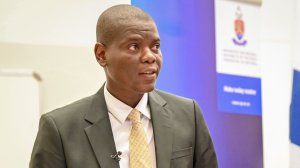
SA: Ronald Lamola: Address by Minister of International Relations and Cooperation, on the International Relations and Cooperation Dept Budget Vote 2026/27, Parliament, Cape town (26/0/2026)
29th May 2026 That victory paved the way for the legislative machinery of apartheid, intensifying racial segregation and stripping most of the people of this... →
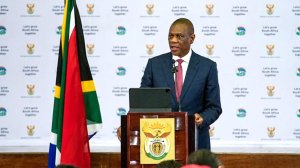
SA: Paul Mashatile: Address by Deputy President, on the occasion of Nepad@25 Years - High-Level Business Breakfast, Century City Conference Centre, Cape Town (21/05/2026)
22nd May 2026 As we mark Africa Month and celebrate twenty-five years of NEPAD, we return to that founding vision: an integrated, prosperous, and peaceful... →
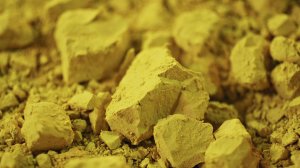
Southern Africa’s regional uranium production looking up as demand outlook rises 
By: Martin Creamer 13th May 2026 The symbol U and the atomic number 92 are once again among the energy elements being looked at with greater intensity amid global fossil fuel... →
Is Namibia's Nandi-Ndaitwah matching her anti-corruption rhetoric with action?
By: ISS, Institute for Security Studies 8th May 2026 The president has fired ministers and condemned graft as treason – yet the system enabling it remains intact. Namibian President Netumbo... →
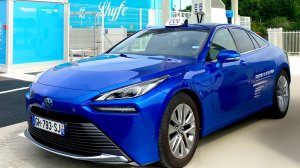
As costs drop, hydrogen energy sovereignty is being grasped
By: Martin Creamer 5th May 2026 Following South Africa’s Northam Platinum reporting earlier this year that thousands of hydrogen-powered trucks are doing the rounds in China,... →
Bowmans strengthens energy and infrastructure transaction advisory capabilities with appointment of Lena Mangondo
5th May 2026 Preeminent African law firm Bowmans has announced the appointment of Lena Mangondo in the firm’s Johannesburg office Projects, Energy and... →
Cape rerouting exposes South Africa’s maritime blind spots
By: ISS, Institute for Security Studies 29th April 2026 More ships are rounding the Cape, but ports, policy and strategy are not yet built to turn the surge into lasting gain. Rerouting around the Cape... →
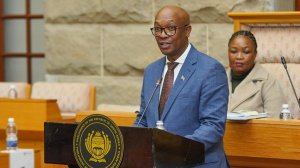
Daily Podcast – April 29, 2026
29th April 2026 Making headlines: South Africa law firms ask court to quash industry equity code Shortlists of nuclear regulator board candidates released by... →
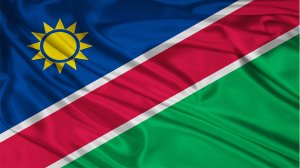
Namibia holds key interest rate as Iran war darkens outlook
By: Reuters 29th April 2026 Namibia's central bank kept its main interest rate unchanged at 6.50% on Wednesday, saying the outlook for economic growth and inflation had... →
Governing the digital economy: Africa’s shift from connectivity to control
By: In On Africa IOA 24th April 2026 Africa’s digital evolution is entering a governance phase. African nations are taking control of their online information systems as a part of an... →