Malaria
Malaria is a life-threatening infectious disease caused by Plasmodium parasites transmitted to humans through the bites of infected female Anopheles mosquitoes. Five parasite species cause malaria in humans, with Plasmodium falciparum and Plasmodium vivax posing the greatest threat. Symptoms typically appear 10 to 15 days after infection and include fever, headache, chills, vomiting and fatigue; severe cases can progress to organ failure, cerebral malaria and death, particularly in young children and pregnant women. The disease remains endemic across sub-Saharan Africa, which accounts for the majority of global cases and deaths, as well as parts of South-East Asia, Latin America and the Middle East. Diagnosis relies on microscopy or rapid diagnostic tests that detect parasite antigens in blood samples. Treatment involves artemisinin-based combination therapies for uncomplicated malaria and intravenous artesunate for severe disease. Prevention strategies include insecticide-treated bed nets, indoor residual spraying, seasonal chemoprevention in high-burden areas and antimalarial prophylaxis for travellers. The RTS,S/AS01 malaria vaccine, developed by GSK and partners, received WHO recommendation in 2021 for use in children in endemic regions, marking a significant milestone in malaria control. Despite decades of intervention, malaria continues to impose substantial public-health and economic burdens, with an estimated 249-million cases and 608 000 deaths recorded globally in 2022. Drug resistance and insecticide resistance pose ongoing challenges to control efforts. International funding mechanisms such as the Global Fund and Gavi support national malaria programmes across affected countries, while research continues into next-generation vaccines, novel therapeutics and vector-control tools.
Malaria Updates

Ebola outbreak in the DRC: four reasons it will be hard to contain
25th May 2026 By the second week of the latest Ebola outbreak in the Democratic Republic of Congo it was already clear that containing the spread of the... →

Health authorities are racing to contain Ebola in the DRC and Uganda. Here’s what’s making it so challenging
22nd May 2026 The Democratic Republic of Congo (DRC) is grappling with a rising Ebola epidemic, with almost 600 cases detected so far and more than 130 deaths.... →
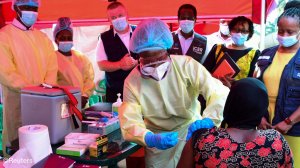
WHO says 139 suspected Ebola deaths in Congo outbreak, numbers expected to rise
By: Reuters 20th May 2026 The World Health Organization said on Wednesday there were 600 suspected cases of Ebola and 139 suspected deaths and numbers are expected to rise... →

Ghana rejects proposed US health aid deal, citing data concerns, source says
28th April 2026 Ghana has rejected a bilateral health deal with the US, a source familiar with the negotiations told Reuters, the latest stumbling block to the... →
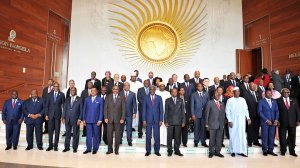
African Union: how does it make a difference in everyday life and what would happen if it didn’t exist?
20th February 2026 The African Union held its 39th Assembly of Heads of State and Government in Addis Ababa, Ethiopia, in February 2026. The two-day assembly produced... →
Daily Podcast – January 29, 2026
By: Thabi Shomolekae 29th January 2026 Making headlines: Ramaphosa wants special task team to investigate those implicated in Madlanga Commission report; ActionSA won't support no... →
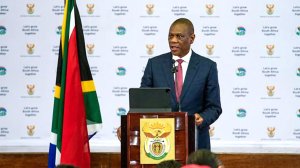
SA: Paul Mashatile: Address by South Africa's President, at the official commemoration of World AIDS Day, Ga-Masemola, Limpopo (01/12/2025)
2nd December 2025 This year, South Africa's theme of "Renewed Efforts and Sustainable Commitments to end AIDS" highlights the need to revitalise strategies to... →
 |
 |
1 |
 |
 |