Central African Republic
The Central African Republic is a landlocked country in central Africa. The capital is Bangui. The population is estimated at about 5.5 million, and the economy is one of the least developed in the world, heavily reliant on subsistence agriculture, forestry and diamond mining. The currency is the Central African CFA franc. The country operates under a presidential republic system of government. It is a member of the Economic Community of Central African States and the African Union. The Central African Republic has faced prolonged political instability, armed conflict and humanitarian crises since independence from France in 1960. Recurring violence has severely constrained economic development and left much of the population dependent on international aid. The country possesses significant natural resources, including diamonds, gold, uranium and timber, but exploitation has been hampered by poor infrastructure, governance challenges and insecurity. Despite its resource base, the Central African Republic remains one of the poorest and most fragile states globally, with limited access to healthcare, education and basic services across much of its territory.
Central African Republic Updates
Central African Republic to accept third-country deportees from US, sources say
By: Reuters 8th June 2026 Central African Republic has agreed to take in migrants from other countries deported by the United States, two sources with knowledge of the... →
The Gambia’s first Special Prosecutor: a non-Gambian?
By: ISS, Institute for Security Studies 29th May 2026 To achieve justice and reconciliation, the Special Prosecutor must ensure that accountability appears neither distant nor external to victims. On 9... →

100-million African children are not in school. What’s driving the trend and how to reverse it
14th May 2026 Many countries across Africa have embraced universal basic education policies in recent decades. But recent data has revealed that more than... →
Internet shutdowns won’t solve Central Africa’s political crises
By: ISS, Institute for Security Studies 28th April 2026 Silencing the internet during unrest buys governments time but corrodes the trust and economic foundations that stability requires. In Gabon,... →
Middle East conflict and aid drop push more African nations to IMF
By: Reuters 16th April 2026 The economic fallout from the Middle East war and a collapse in foreign aid are pushing more African countries to the International Monetary Fund,... →

Africa is losing health workers when it can least afford to – a pattern rooted in colonial history
13th April 2026 Africa has a challenge to retain the health workers it needs. The World Health Organization estimates a global shortfall of 11-million health... →
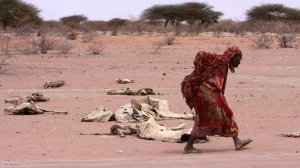
Heatwaves will be worst for rural parts of Africa – new model shows tens of millions face dangerous warming by 2100
26th March 2026 Ask people where heatwaves hit hardest and most will probably say cities, which trap heat in concrete and metal and generate warmth from traffic... →
Cameroon’s contested election sends ripples across fragile border economies
By: ISS, Institute for Security Studies 29th January 2026 Post-election ‘ghost town’ protests disrupted trade, revealing neighbouring countries’ economic reliance on stability in Cameroon. When Cameroon’s... →
Rwanda: a ‘smart power’ without a regional peace strategy
By: ISS, Institute for Security Studies 27th January 2026 Rwanda’s military dominance in the Great Lakes Region deters countries from sending troops to help stabilise eastern DRC. In early December 2025,... →
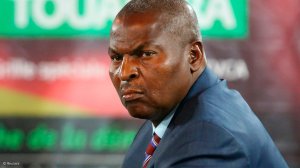
Re-elected president of Central African Republic invites Russia's Putin to visit, TASS says
By: Reuters 7th January 2026 The newly re-elected president of the Central African Republic, Faustin-Archange Touadera, has invited Russian President Vladimir Putin to visit... →
 |
 |
1 |
2 |  |
 |