Addis Ababa
Addis Ababa is the capital and largest city of Ethiopia, serving as the country's political, economic and cultural centre. The city is located in the central highlands of Ethiopia at an elevation of about 2 400 m above sea level, making it one of the highest capital cities in the world. With a population of more than four-million people, Addis Ababa is a major metropolitan hub in East Africa and the continent's diplomatic capital, hosting the headquarters of the African Union and the United Nations Economic Commission for Africa. The city's economy is driven by government administration, services, manufacturing and a growing technology sector. Addis Ababa is home to Bole International Airport, the busiest aviation hub in East Africa and a key gateway for continental and international air travel. The city's strategic location and infrastructure make it a focal point for regional trade, conferences and international organisations. Addis Ababa has experienced rapid urbanisation and development in recent decades, with significant investment in transport infrastructure including a light rail system and road networks. The city was founded in 1886 by Emperor Menelik II and has since grown into a sprawling metropolis that plays a pivotal role in Ethiopia's development and Africa's regional integration.
Addis Ababa Updates
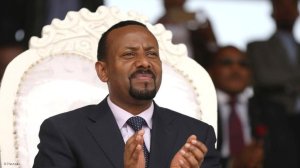
Ethiopian election expected to hand leader Abiy's party a landslide win
By: Reuters 1st June 2026 Ethiopia will hold parliamentary and regional elections on Monday that analysts expect Prime Minister Abiy Ahmed's party to win in a landslide,... →

Ethiopia votes: dominant ruling party seeks a new mandate in a deeply fragmented nation
28th May 2026 Ethiopia’s general election on 1 June 2026 will take place amid armed conflicts and political fragmentation. This has raised questions over voter... →

Ethiopian leader Abiy's party set to dominate elections despite insecurity
By: Reuters 28th May 2026 Ethiopians will vote in parliamentary and regional elections on Monday that Prime Minister Abiy Ahmed’s party is expected to dominate despite... →
More instability for Somalia as another election deadline lapses
By: ISS, Institute for Security Studies 20th May 2026 Only a gradual consensus-based process can reconcile Somalia’s competing political systems and avert repeated election crises. When Somalia’s... →
Niger-Benin: a narrow window for diplomatic reset
By: ISS, Institute for Security Studies 23rd April 2026 The political transition in Cotonou opens a window for regional de-escalation that the African Union should seize. Romuald Wadagni’s election as... →
Can the UN’s transatlantic slavery decision deliver meaningful reparations?
By: ISS, Institute for Security Studies 10th April 2026 The UN General Assembly’s landmark resolution is likely to be stymied by a world divided on how to right past wrongs. A Ghana-led resolution... →
Macky Sall’s failed UN bid: a stress test for the African Union?
By: ISS, Institute for Security Studies 7th April 2026 Rather than indicating disunity, the outcome shows that the AU upheld its procedures for endorsing candidates to international positions. A draft... →

China is helping build Africa’s cities, but its approach sidelines local urban planners and residents
31st March 2026 As African cities experience some of the fastest urban growth rates in the world, China has become a major bilateral financier for urban... →

Race against time to stabilise South Sudan as elections loom
By: ISS, Institute for Security Studies 30th March 2026 With the window for holding meaningful elections fast closing, can the three initiatives underway deliver more than previous efforts? The December... →
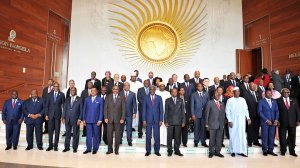
African Union: how does it make a difference in everyday life and what would happen if it didn’t exist?
20th February 2026 The African Union held its 39th Assembly of Heads of State and Government in Addis Ababa, Ethiopia, in February 2026. The two-day assembly produced... →
 |
 |
1 |
2 |  |
 |